
The crisis caused by the widespread use of COVID-19 and the emergency measures taken in a number of cities around the world have led to a significant improvement in air quality. After the „first“ wave of the virus has passed and normal traffic has recovered, pollution in urban areas has also „recovered“.
Governments are doing everything possible to prevent the re-closure of borders, because mobility is essential for securing jobs and getting the economy back on track. At the same time, this must not be at the expense of the environment. Philippa Rio, director of the Sustainable Mobility Unit at the World LPG Association, and Liquid Gas Europe are pushing for a mass shift to autogas because the fuel is significantly cleaner, more easily accessible and can help improve the quality of gas. air on a global scale.
The World Health Organization (WHO) reports that: „About 4.2 million premature deaths worldwide are linked to air pollution, which causes heart disease, stroke, chronic obstructive pulmonary disease, lung cancer and acute respiratory infections. in children. „
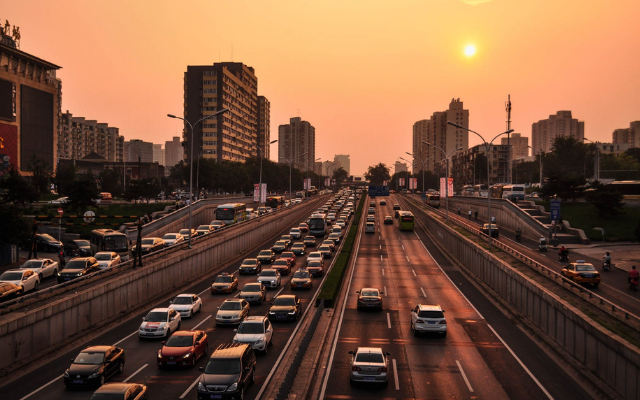
Traffic is not the only reason for lower air quality in cities, but it contributes greatly to maintaining high levels of pollution. Gasoline and diesel vehicles emit various pollutants, including carbon monoxide (CO), nitrogen (NOx), volatile organic compounds (VOC) and particulate matter (PM10).
The British Ministry of the Environment and Food (DEFRA) said that „the main threat to clean air now is emissions from traffic.“ The need to reduce emissions is directly related to the protection of our planet from climate change. Reduced mobility globally due to the coronavirus has led to declining levels of pollution and CO2 emissions. However, the other effect of the virus is its detrimental effect on the global economy, which in turn slows down investment in resources to reduce emissions. It is therefore essential to promote the widespread use of cleaner, alternative fuels, such as autogas and eco-technologies, which will continue to play a significant role in reducing pollution in the coming decades.
The need for mobility, especially in emerging economies, will grow, which means that the global effect of the growing fleet will continue to threaten clean air. This fact is evidenced by data from the International Association of Motor Vehicle Manufacturers (OICA), which reports that the global fleet grew from 892 million in 2005 to 1.228 billion in 2015 – an increase of 44%. Although progress has been made, alternative fuel vehicles represent only 3.8% of the total fleet for 2019 in Europe, and electric vehicles represent only 1% of the total market share.
Last year, more than 90% of vehicle registrations in Europe were with ICE engines, which will rely on liquid fuels for more than 10 years. The future of sustainable mobility and the associated air quality depend on both new car sales and the type of fuel used. Electric cars are certainly the most environmentally friendly, but there are still many obstacles to their mass entry into the market. Electric cars are more expensive than petrol or diesel equivalents and are not attractive to consumers, especially those in low- and middle-income countries. In addition, they do not address pollution from the existing fleet.
Autogas (LPG as a transport fuel) offers a practical solution to reduce emissions for new vehicles and existing ones that are not so old as to be scrapped. The ability of existing cars to switch to LPG does not require a major investment in new technologies and infrastructure, but the change can significantly reduce the release of carbon emissions and particulate matter. Autogas is a reliable solution for improving the sustainability of mobility without causing an increase in harmful emissions. Car manufacturers now offer a wide range of autogas cars, and LPG systems can be easily and seamlessly installed on any vehicle.
Source: Liquid Gas Europe