

You know that V-Gas provides you with one of the cleanest sources of energy—propane-butane. It has long proven its advantages, but history is full of bizarre ideas for using alternative fuel sources. And today, scientists continue their search for cheap and efficient ways to obtain energy by exploring unusual methods and resources.
Here are some of the most amazing among them.

Heat emitted by the body
Your body produces heat that could warm a huge building with offices, apartments, and shops. That is why a Swedish company is developing a plan to capture the body heat emitted by passengers on trains passing through Stockholm Central Station. The energy is being considered for use in heating water.
A French company providing social housing will also use body heat to heat 17 apartments in a building in Paris.
A crematorium in the United Kingdom uses the gases released during the cremation process to heat the building itself.

Jellyfish
Jellyfish that emit light have extraordinary qualities. Their glow is due to a green fluorescent protein (GFP). A team from the Technical University of Gothenburg, Sweden, conducted an interesting experiment with the protein—they placed a drop of GFP on aluminum electrodes and then exposed them to ultraviolet light. The protein released electrons that could be used to generate electricity.
The same protein has been used to make a biological fuel cell that produces electricity without an external light source. These fuel cells would be applicable to small, nano-sized devices that could be implanted in the body to diagnose and treat various diseases.

Zachariah
Putting sugar in a tank can completely ruin a car engine. But scientists believe that one day it could be used as fuel.
Researchers and chemists at Virginia Tech University in the US are developing a way to convert sugar into hydrogen, hoping it can be used as a cheaper and cleaner fuel. The scientists combine plant sugars, water, and 13 powerful enzymes in a reactor, converting the mixture into hydrogen and monitoring the amounts of carbon dioxide.
Unfortunately, it will probably take at least another 10 years of research before consumers can use sugar as fuel. However, in the short term, it is likely that the same technology will be used to create long-lasting sugar-based batteries for laptops, mobile phones, and other devices.

Vibrations
Sometimes entertainment can also contribute to protecting the environment. A club in Rotterdam, the Netherlands, uses the vibrations from the floor caused by visitors walking and dancing to trigger a light show. The vibrations are captured by “piezoelectric” materials that generate electrical energy.
The US Army also uses piezoelectric technology. Special materials are placed in soldiers’ boots so that the vibrations produced can be used to charge radio stations and other portable devices. The disadvantage of piezoelectric technology is that it requires significant investment.
Bacteria
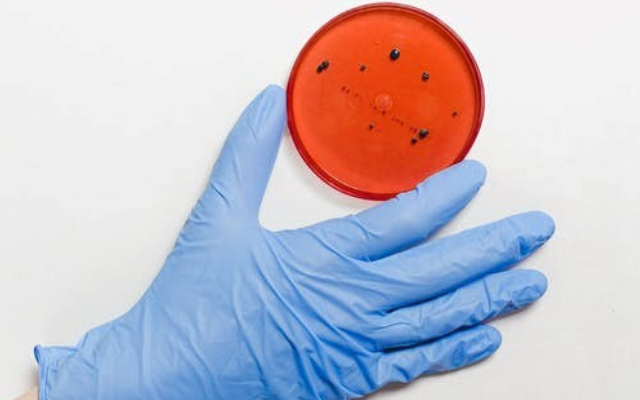
There are billions of bacteria in nature, and like any living organism, they can survive even with limited amounts of food. The same bacteria that make us sick can help protect the environment by providing eco-friendly fuel for transportation.
Some bacteria store energy in the form of fatty acids that resemble polyester. The same fatty acid is needed to produce biodiesel fuel. So, researchers are trying to genetically modify the microorganisms of bacteria to extract these polyester acids.
Source: Foxnew.com
While researchers ponder various alternatives for energy production, you can rely on a proven solution—propane-butane. We continue to deliver our products to your home.
See the cities, where we deliver and the phone numbers you can use to place an order here.